Sep 3, 2026Packaging Tips
What Are You Really Buying When You Order Custom Packaging?
Custom packaging is more than bags, boxes or cups. It also means accurate sizing, consistent printing, suitable materials, clear lead times and reliable support from artwork to delivery.
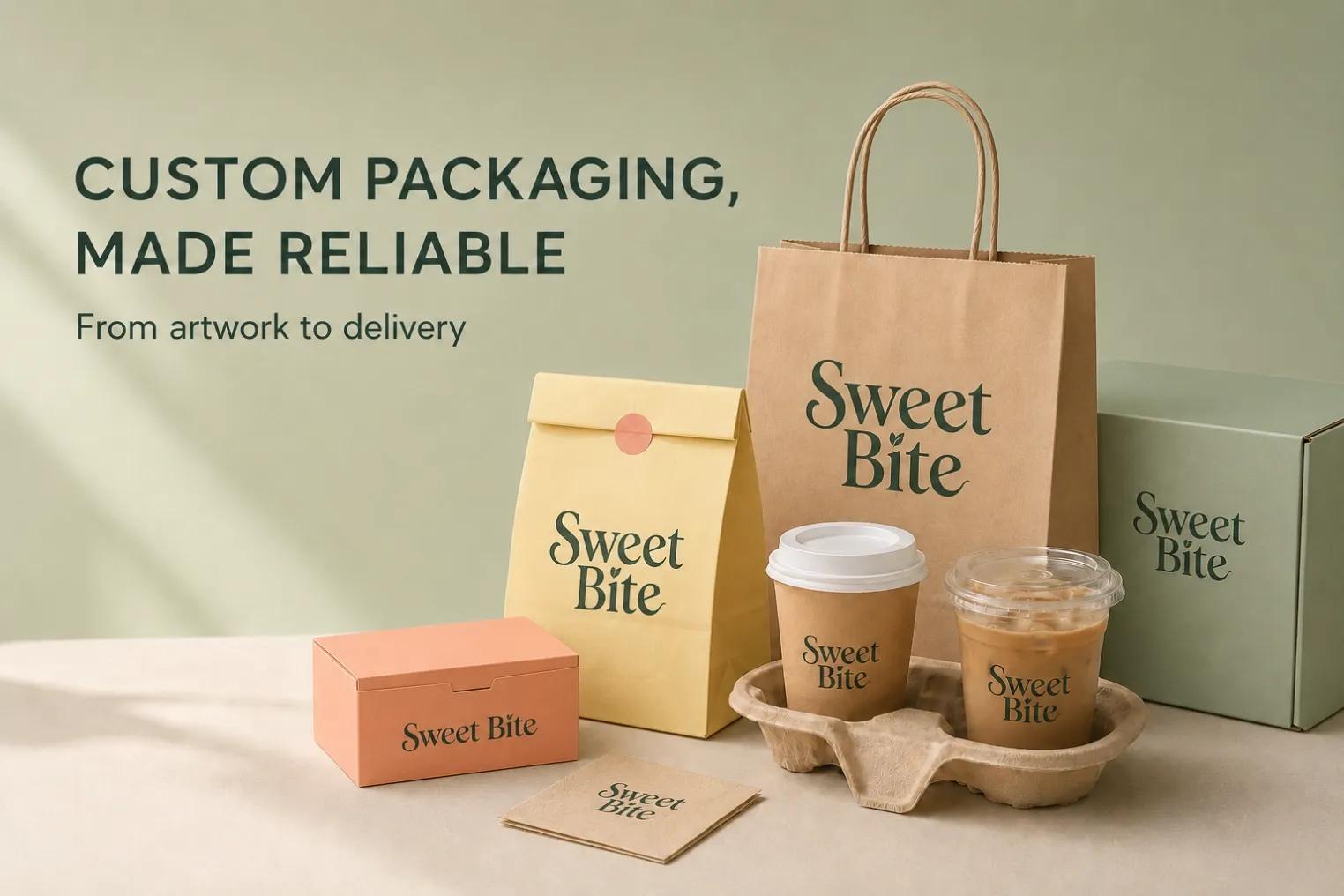
When businesses compare custom packaging suppliers, it is natural to begin with the unit price.
However, the lowest quotation does not always result in the lowest overall cost.
When you order custom paper bags, boxes, cups or food packaging, you are not simply buying a physical product. You are also buying confidence that the packaging will be made correctly, delivered on time and ready to use when it arrives.
You Are Buying Accurate Colours
Your packaging colours are part of your brand identity.
A colour that is noticeably different from your artwork can make the final packaging look inconsistent with your shop, website or other branded materials.
A reliable packaging supplier should review the artwork, printing method and paper surface before production. When necessary, a physical or digital sample can also help confirm the expected result.
Although slight colour variations may occur between different materials and production batches, careful colour control helps keep the finished packaging close to the approved design.
You Are Buying the Right Size
Packaging must do more than look attractive—it must fit the product properly.
A box that is too large may require additional filling material and increase shipping volume. A bag that is too small may be difficult to use, while a cup, insert or sleeve with the wrong dimensions may not fit at all.
Before production, the supplier should understand:
- The product dimensions
- The product weight
- How the packaging will be used
- Whether extra space is needed
- How the finished packaging will be packed and transported
Choosing the correct size can improve presentation, protect the product and avoid unnecessary material or shipping costs.
You Are Buying Correct Artwork Placement
A logo may look perfect on a flat artwork file but appear too close to a fold, handle, window or box edge after production.
This is why artwork checking is an important part of custom packaging.
The supplier should review the logo position, print area, fold lines, cutting lines and required bleed before the order enters production. These checks help prevent important text or design elements from being hidden, cut off or placed incorrectly.
You Are Buying Suitable Materials
The most expensive material is not always the most suitable one.
A bakery, florist, café, clothing brand and e-commerce business all have different packaging requirements. Material selection should consider product weight, moisture, grease resistance, durability, appearance and budget.
For example:
- Bakery packaging may require food-safe or grease-resistant paper.
- Takeaway bags must support the weight of the food containers.
- Florist bags may need better moisture resistance and structural support.
- E-commerce boxes should protect products during transportation.
- Retail packaging may place greater emphasis on print quality and surface finish.
A responsible supplier should explain the available options and recommend a practical material rather than automatically suggesting the most expensive specification.
You Are Buying a Clear Production Schedule
Late packaging can delay a product launch, seasonal promotion or store opening.
A dependable supplier should explain the expected schedule before the order is confirmed, including:
- Artwork and specification confirmation
- Sampling, if required
- Production time
- Quality inspection
- International transportation
- Estimated delivery time
Clear communication is especially important for custom packaging because production normally begins only after the size, material and artwork have been approved.
You Are Buying Predictable Shipping Costs
The factory price is only part of the total packaging cost.
International buyers should also consider carton size, total volume, freight, duties and local delivery. In some cases, a slightly different packaging structure or packing method can reduce transportation costs.
Before confirming an order, buyers should understand:
- The shipping method
- The estimated transit time
- What is included in the freight quotation
- Whether customs duties are included
- Whether delivery is to the port, warehouse or final address
This makes it easier to calculate the true landed cost and avoid unexpected charges after production.
You Are Buying Responsibility
Even with careful preparation, questions or unexpected issues may arise during a custom packaging project.
The difference between suppliers is often not whether a problem occurs, but how it is handled.
A reliable supplier communicates openly, checks what happened and provides a practical solution. Buyers should know who is responsible for following the order from artwork confirmation through production and delivery.
Having one consistent contact also reduces repeated explanations and makes the project easier to manage.
You Are Buying Easier Repeat Orders
Repeat orders should become simpler, not start from zero again.
Once a packaging specification has been approved, important information can be retained for future production, including:
- Packaging dimensions
- Material and paper weight
- Artwork files
- Printing colours
- Surface finishes
- Handles or accessories
- Carton packing details
The next time the customer needs the same packaging, the previous specifications can be checked and reused. This saves time, reduces communication and helps maintain consistency between production runs.
Why the Lowest Price Is Not Always the Lowest Cost
A quotation may appear cheaper but become expensive if the packaging has the wrong dimensions, weak material, inaccurate printing or unexpected freight charges.
The real cost of a packaging order can include:
- Reprinting incorrect packaging
- Delayed product launches
- Damaged goods
- Additional freight
- Excess packaging inventory
- Time spent solving avoidable problems
A good packaging supplier helps control these risks before production begins.
A Reliable Process for Growing Brands
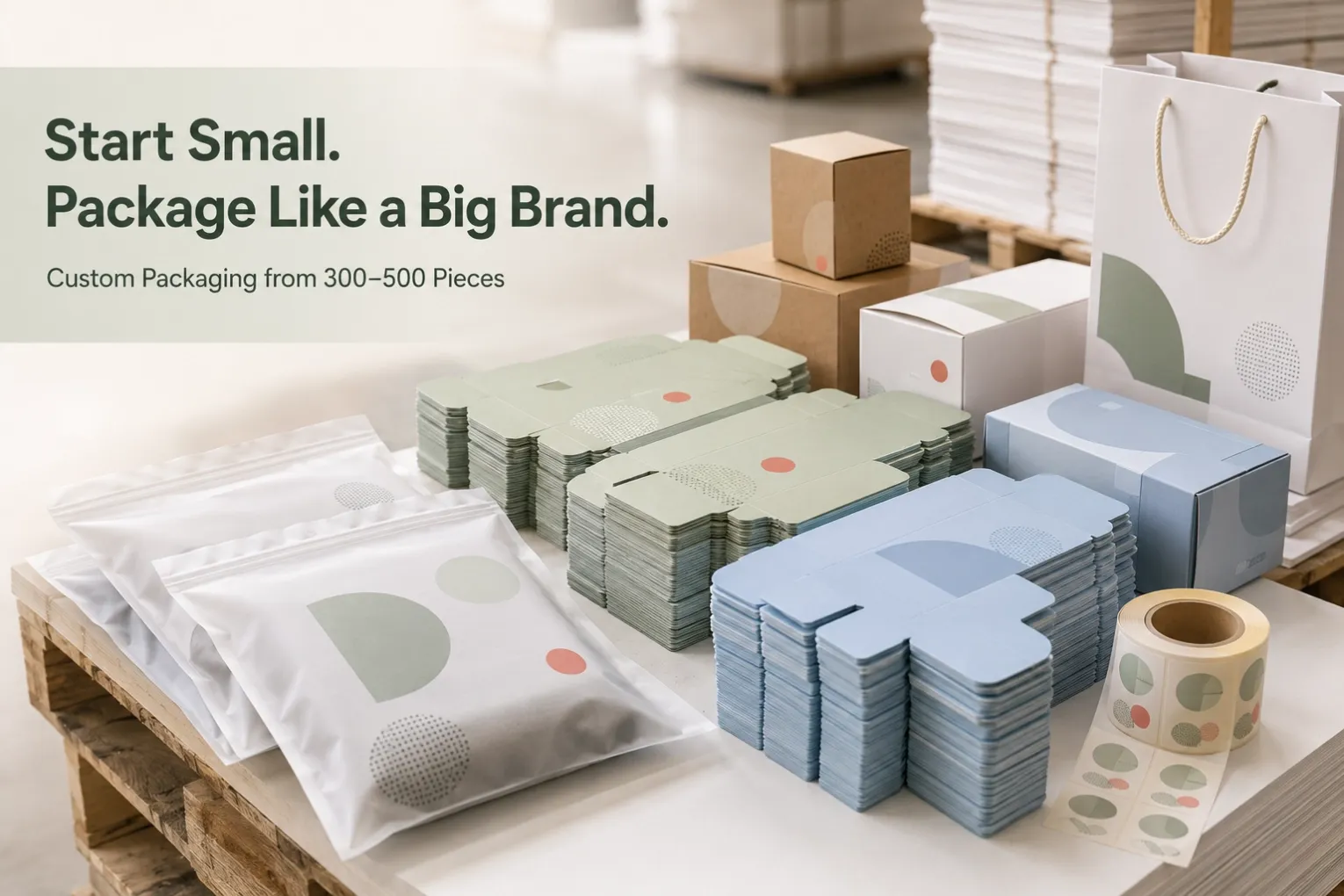
Small and growing businesses may not need extremely large quantities. They need a practical way to test packaging without holding too much inventory.
For many packaging products, a smaller first order allows a brand to check the size, printing quality and customer response before moving to a larger production run.
At YTS Packaging, we support custom paper bags, boxes, food packaging and other printed packaging from artwork review through production and worldwide delivery.
Our goal is not simply to provide a quotation. We help customers select suitable specifications, understand the production schedule and move their packaging project forward with fewer uncertainties.
Start With the Right Information
If you are planning a custom packaging project, you can send us:
- A photo of your current packaging
- Your required dimensions
- The product being packed
- Your estimated quantity
- Your logo or artwork
- Your delivery country and postcode
We can then recommend a suitable material, printing method, minimum order quantity and shipping option.
Because when you order custom packaging, you are not only buying bags, boxes or cups—you are choosing how confidently your product reaches the customer.